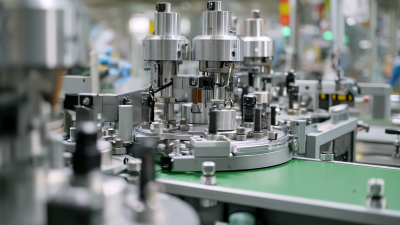
What is Bagging Machines and How Do They Work?
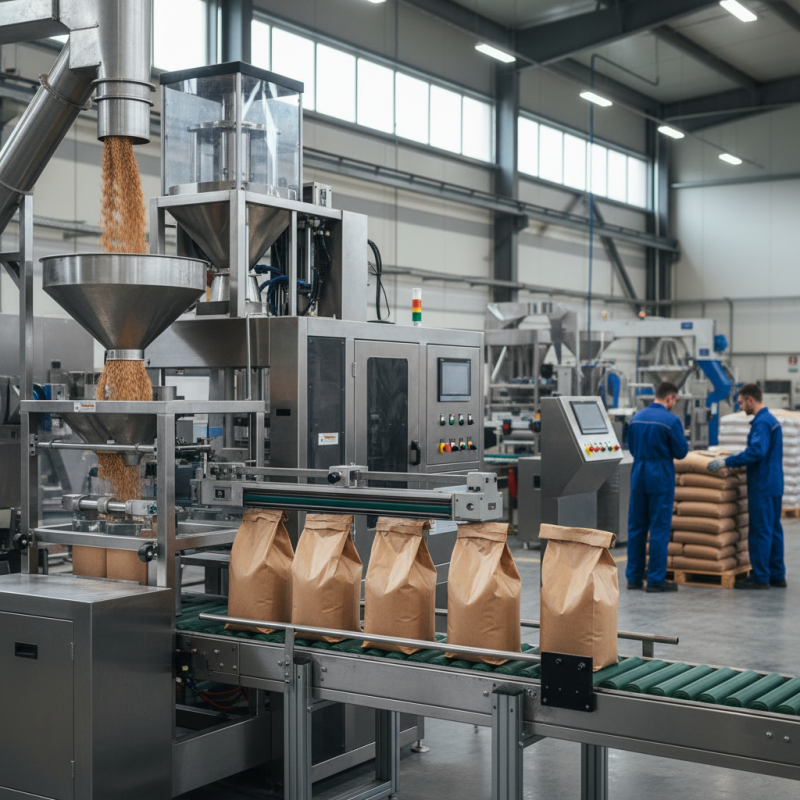
Bagging machines play a crucial role in various industries. They are designed to automate the packaging process, improving efficiency and precision. These machines handle different materials, from grains to powders. Understanding their mechanics can enhance productivity.
Typically, bagging machines operate in a series of steps. First, the material is fed into the machine. Then, it is measured and filled into bags. Finally, these bags are sealed for storage or shipping. This process simplifies packaging for many businesses. It allows for quick turnaround times.
However, bagging machines are not without challenges. Maintenance can be tricky. Operators must ensure that the machine works smoothly. Any malfunction can lead to delays. Thus, regular check-ups are necessary. Balancing speed and accuracy is also key. Achieving this may require practice.
What Are Bagging Machines?
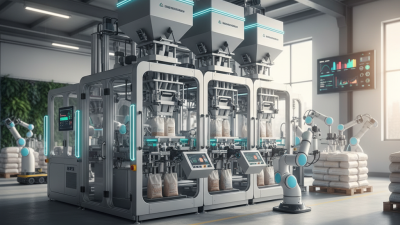
Bagging machines are essential tools in various industries. They automate the packaging of products into bags for storage or sale. Typically, these machines handle different materials, such as granular materials, powders, and liquids. A bagging machine can operate with manual input or fully automate the process. They save time and improve efficiency.
When using a bagging machine, it's important to properly calibrate it before production. An improperly set machine can lead to inconsistent bag weights. This can result in waste and customer dissatisfaction. Regular maintenance is key to keeping the machine functioning well.
Tip: Always test a few bags first. This helps ensure accuracy. Adjust settings as necessary to achieve optimal results. Monitoring is vital, especially in high-speed environments. Remember, even with automation, human oversight is crucial. Mistakes can happen, and catching them early is essential.
What is Bagging Machines and How Do They Work? - What Are Bagging Machines?
| Machine Type |
Operation Mode |
Speed (Bags/hour) |
Bag Size (cm) |
Typical Applications |
| Vertical Bagging Machine |
Automatic |
600 |
10x15 |
Food, Granules |
| Horizontal Bagging Machine |
Semi-Automatic |
300 |
15x20 |
Pharmaceuticals, Chemicals |
| Multi-Head Weigher Bagging Machine |
Fully Automatic |
1200 |
5x10 |
Snacks, Pet Food |
| Pre-Made Pouch Bagging Machine |
Automatic |
200 |
7x12 |
Sauces, Liquids |
Types of Bagging Machines Available
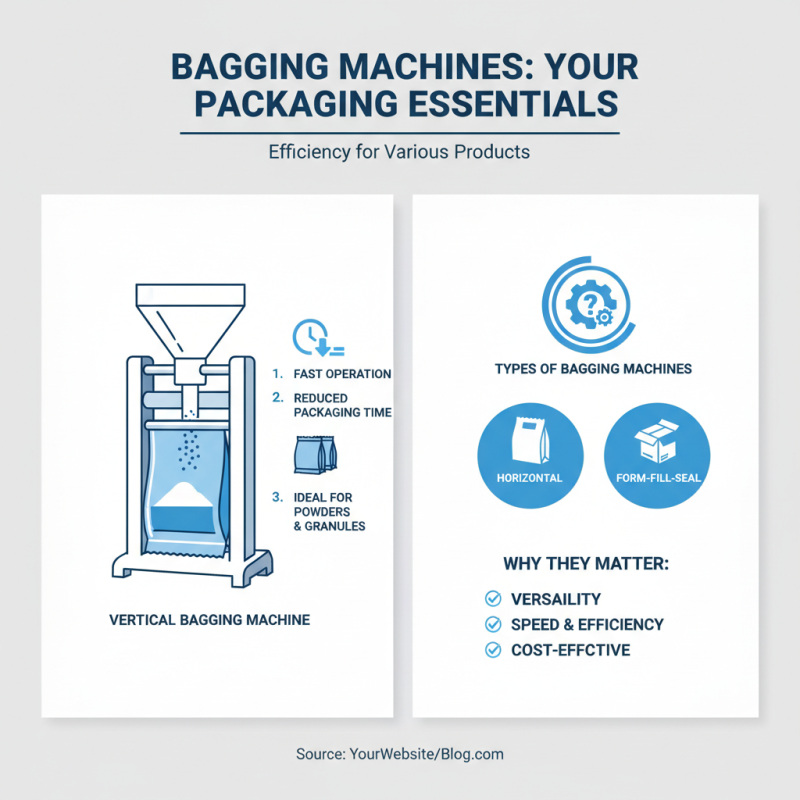
Bagging machines are essential for packaging various products. They come in different types, each designed for specific needs. There are vertical bagging machines that efficiently package items like powders and granules. These machines work quickly, reducing packaging time significantly.
Another type is the horizontal bagging machine. This variety is suitable for bulkier items such as snacks or larger products. It offers flexibility in bag sizes, catering to diverse packaging requirements. Some can even handle eco-friendly materials, promoting sustainability.
Finally, there are automated bagging systems. These systems integrate with production lines, streamlining the entire packaging process. However, they can be complex. Training staff to operate them can pose challenges. Each type has its strengths and weaknesses, requiring careful consideration when choosing.
How Bagging Machines Operate: A Step-by-Step Guide
Bagging machines are essential in many industries. They streamline the packaging process for various products, ensuring efficiency and accuracy. Understanding their operation can help businesses optimize their workflow.
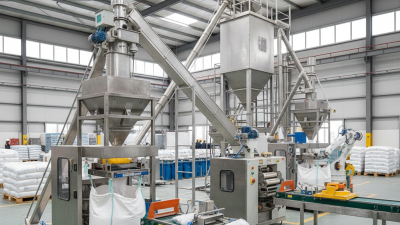
To operate a bagging machine, start by loading the product into the hopper. This is a crucial step. The machine automatically measures the correct quantity. After that, the product flows into the bag. Sensors ensure that the bags are correctly filled every time. Once filled, the machine seals the bags securely for transport.
Tips: Regular maintenance is key. Check the sensors and sealing mechanisms often. A little lapse can lead to product loss. Also, train staff on proper operation to minimize errors. Mistakes can happen if the staff is not well-prepared.
Watch for common issues. Sometimes, bags may jam or lose seal integrity. Identifying these problems early is vital. Effective troubleshooting can save time and money. As you operate bagging machines, remain vigilant. Continuous improvement in processes will enhance productivity.
Common Applications of Bagging Machines in Industries
Bagging machines play a crucial role across various industries by efficiently packaging products. Industries such as food processing, pharmaceuticals, and agriculture widely use these machines.
In the food sector, they often handle items like grains, snacks, and frozen foods. According to a report by MarketsandMarkets, the global bagging machines market is projected to reach $4.1 billion by 2026, indicating robust growth.
Pharmaceutical firms utilize bagging machines to package medical supplies and products, ensuring consistency and safety. These machines help maintain hygiene standards in the manufacturing process.
Furthermore, the agricultural sector relies on them for seed packing and fertilizers. The efficiency of bagging machines can significantly reduce labor costs, but improper use may lead to product waste or contamination. This highlights the need for regular maintenance and staff training.
Despite their advantages, some challenges persist. For instance, machine breakdowns can disrupt production schedules, impacting delivery timelines. Additionally, the initial investment in these machines can be high, deterring some small businesses from upgrading their packaging processes. Continuous evaluation of machine performance is essential for minimizing downtime and ensuring that operations are efficient.
Benefits of Using Bagging Machines in Packaging Processes
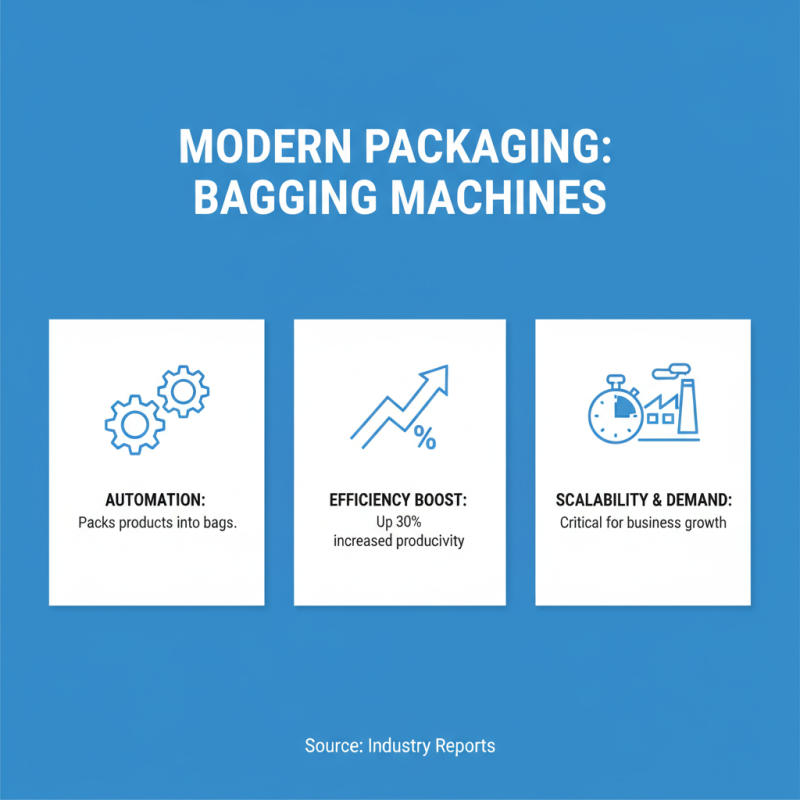
Bagging machines are essential in modern packaging processes. They automate the packing of products into bags, enhancing efficiency. According to industry reports, using these machines can increase productivity by up to 30%. This is significant for businesses aiming to scale their operations. The rapid pace of consumer demand makes such efficiencies critical.
One of the biggest benefits of bagging machines is accuracy. Manual packing often leads to inconsistencies. On the other hand, bagging machines ensure uniform fill levels and reduce waste. Studies reveal that reducing product loss through better packing can elevate profit margins by around 15% for manufacturers. However, the initial investment in these machines can be daunting for some businesses. It forces them to balance costs with potential long-term gains.
There's also a consideration for maintenance. Regular upkeep is essential to avoid downtime. Companies find it challenging to allocate resources for this aspect. Still, those who invest in routine maintenance notice improved machine longevity and performance. As the packaging landscape evolves, bagging machines play a pivotal role in enhancing operational efficiency and product reliability.