NEED HELP FAST? We have over 40 years' experience with Bulk Material Handling, Packaging, and Processing.   (979) 217-1480 GET A QUOTE

NEED HELP FAST?   (979) 217-1480   GET A QUOTE

How to Choose the Best Packaging Conveyors for Your Business?

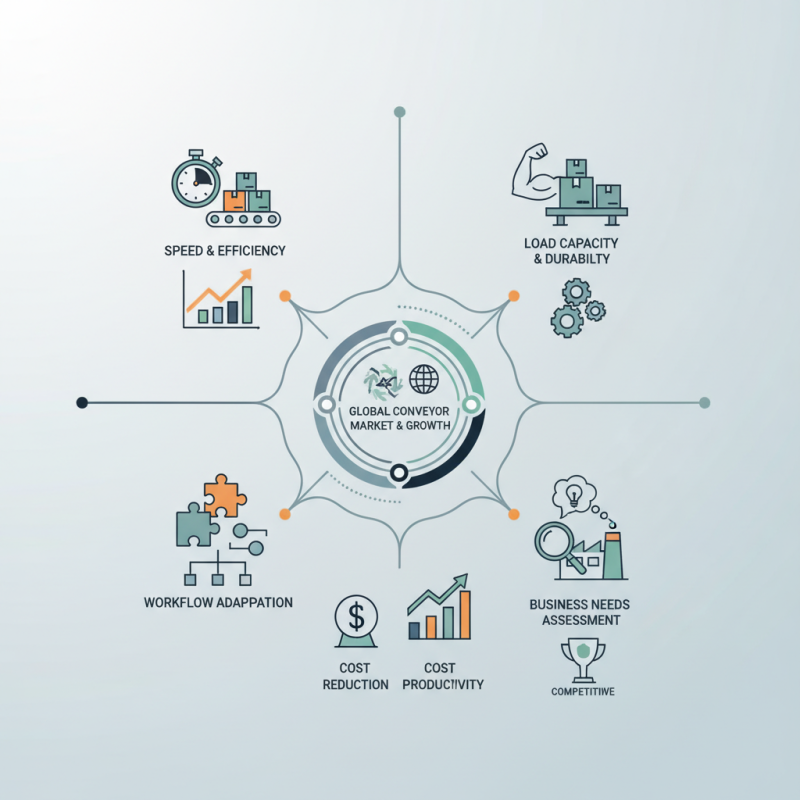
In today’s fast-paced shipping environment, choosing the right packaging conveyors can significantly impact operational efficiency. According to a report by Market Research Future, the global conveyor system market is expected to reach $9.2 billion by 2025. This growth indicates a rising demand for effective packaging solutions in various industries, from e-commerce to food and beverage.

Expert Alex Thompson, a leading authority in material handling solutions, states, "Investing in the right packaging conveyors can streamline processes and reduce costs." Yet, many businesses overlook critical factors when selecting these systems. For instance, companies often underestimate the importance of conveyor speed and load capacity. Such oversights can lead to inefficiencies and increased operational costs.

In the quest for efficiency, it’s crucial to evaluate specific business needs and potential challenges. Many organizations face difficulties adapting existing workflows to new conveyor systems. This reflection can lead to better decision-making that aligns with overall business goals. Understanding the nuances of packaging conveyors is essential for enhancing productivity and maintaining competitive advantage.
How to Choose the Best Packaging Conveyors for Your Business?

Understanding the Importance of Packaging Conveyors in Business Operations

Packaging conveyors play a critical role in modern business operations. They streamline the movement of products, saving time and reducing labor costs. Efficient conveyors can significantly enhance workflow, allowing tasks to be completed faster. This is particularly crucial in high-demand industries where every second counts. However, many businesses overlook the importance of selecting the right model.

When choosing packaging conveyors, consider the specific needs of your operations. Do your products vary in size? Are they fragile? A good conveyor should adapt to your requirements. It's essential to ensure that it can handle the weight and dimensions of your items. A mismatch here can lead to delays and damaged goods. Sometimes, companies invest in systems that seem ideal but fail to address all operational challenges.

Maintaining packaging conveyors is often neglected. Without regular checks, performance may decline, impacting efficiency. Dust and debris can build up, leading to breakdowns. It isn’t just about installation; ongoing maintenance is key. Some businesses might not allocate enough budget for repairs, which could lead to higher costs in the long run. Reflecting on both the initial investment and long-term upkeep is vital for success.
Identifying Your Business Needs and Requirements for Packaging Conveyors

When choosing packaging conveyors, understanding your business needs is crucial. Identify your product types. Are they small or large? Fragile or robust? This will guide you in selecting the right conveyor size and type. A conveyor for small boxes will differ greatly from one designed for bulk items. Assess your workflow too. Consider the space available and how products will move through your facility.

Look at the speed requirements as well. Will fast-paced processing be necessary? Or is a slower, more deliberate approach enough? High-speed conveyors might increase efficiency but can lead to mistakes. It’s vital to find a balance that suits your operations. Also, think about maintenance. Some systems require more upkeep than others. Regular checks can prevent costly breakdowns. You might overlook this aspect when purchasing.

Budget constraints are another factor to reflect on. While investing in quality is important, it shouldn’t break your finances. Explore options that meet your needs without overspending. Planning for future growth is wise, too. Today’s decisions impact tomorrow’s operations. This may require adjustments down the road, and that’s okay. Consider what works now, while keeping flexibility in mind for the future.

How to Choose the Best Packaging Conveyors for Your Business?

Feature Description Importance Level Consideration
Type of Conveyor Belt, roller, modular, or chain conveyors High Choose based on the products being handled
Load Capacity Maximum weight the conveyor can handle High Ensure it meets your operational needs
Speed The speed at which materials are transported Medium Match speed to production rates
Material Material of construction (steel, aluminum, etc.) Medium Consider environmental factors and durability
Footprint The space required for installation High Assess your facility layout

Evaluating Different Types of Packaging Conveyors Available in the Market

When selecting packaging conveyors, understanding the options is crucial. The market offers various types, including belt conveyors, roller conveyors, and gravity conveyors. Each has unique strengths and weaknesses. For instance, belt conveyors are ideal for transporting large items. However, they can be costly in terms of maintenance. Recent reports indicate that the global conveyor systems market is projected to grow by 4.3% annually, highlighting the industry's expanding demand.

Gravity conveyors utilize slopes and are cost-effective. They require minimal power, making them energy-efficient. However, these systems can be limited in speed and load capacity. Some companies may regret opting for gravity systems, especially in high-volume environments. Meanwhile, roller conveyors can handle heavier loads but may not be suitable for fragile packages. Evaluating the specific needs of your business is essential.

Industry experts suggest considering factors like speed, load type, and available space. An improper choice can lead to bottlenecks and inefficiencies. Some businesses face high repair costs due to conveyor breakdowns. It's critical to match conveyor type with operational requirements. While investigating options, ensure to weigh the pros and cons carefully. An informed decision can greatly enhance productivity.

Key Features to Consider When Selecting Packaging Conveyors

When selecting packaging conveyors, there are several key features to consider. The size and capacity of the conveyor are crucial. Make sure it fits your workspace. It should also handle your product weight and volume efficiently. Different materials are available, impacting durability and maintenance. Choosing the right material can extend the conveyor's lifespan.

Tips: Assess the conveyor's speed and efficiency. A slow conveyor can bottleneck your operations. Look for adjustable speeds to optimize your workflow. Consider ease of installation too. Some conveyors require professional setup, while others are user-friendly and can be assembled quickly.

Thinking about room for future expansion? This is essential. Your business may grow, requiring more advanced systems later. Ensure that your choice can adapt to changes without significant overhauls. Reflect on the cost versus benefits as well. Sometimes, the cheaper option may not deliver the reliability your business needs in the long run.

Key Features in Packaging Conveyors

Assessing Cost, Maintenance, and Supplier Reliability for Packaging Conveyors

How to Choose the Best Packaging Conveyors for Your Business?

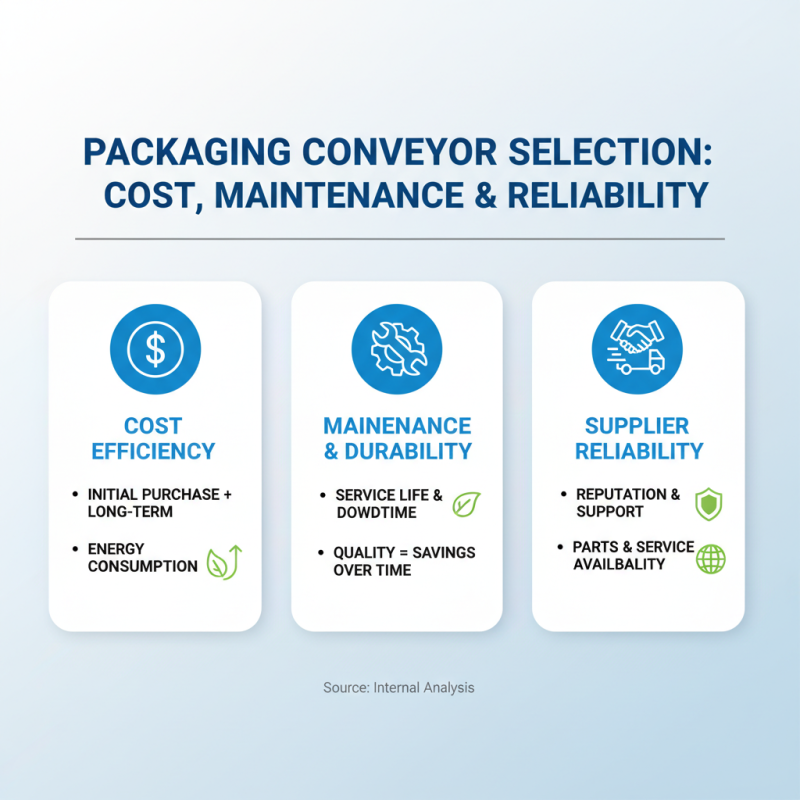
When selecting packaging conveyors, consider the overall cost. This involves not only the initial purchase price but also long-term expenses. Look at energy consumption. Conveyors should be efficient to operate. A high-quality conveyor may cost more upfront but can save money over time.

Maintenance is crucial for conveyor longevity. Analyze the parts most likely to wear out. Regular checks can prevent breakdowns. Neglect can lead to costly repairs. It's wise to understand the maintenance requirements before making a purchase. Some systems require frequent service, which can strain resources.

Supplier reliability is another key factor. Look for suppliers with a solid reputation. They should provide clear communication and support. A reliable supplier can help you navigate issues quickly. Consider customer reviews and industry feedback. They often give insight into a supplier's reliability. Not all suppliers meet expectations, so choose carefully.