How to Choose the Right Packaging Automation Equipment?
Choosing packaging automation equipment is not simply a purchasing decision. It is an operational design choice that affects speed, quality, labor, and long-term costs. A suitable system should match your product, packaging materials, production volume, and available floor space. A machine that performs well in one facility may create delays in another.
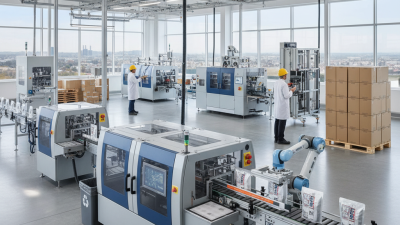
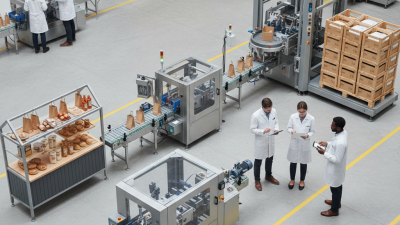
Start with the real production conditions. Observe product sizes, changeover frequency, sealing requirements, and common line stoppages. A small food producer may need flexible equipment for multiple formats. A high-volume manufacturer may prioritize continuous operation and precise automatic feeding. These differences matter more than impressive catalog specifications.
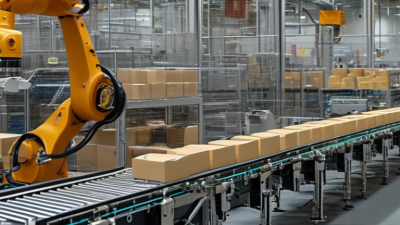
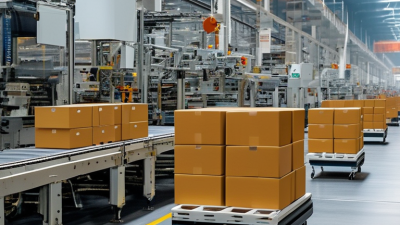
Experience also shows that integration deserves careful attention. Conveyors, filling machines, labeling units, inspection systems, and case packers must communicate reliably. Poor synchronization can leave cartons waiting beside a fast-running machine. That image is expensive. Ask suppliers for documented performance data, maintenance requirements, training plans, and references from similar facilities. Confirm whether spare parts and technical support are available in your region.
Cost should include installation, software updates, cleaning, energy use, maintenance, and future expansion. The cheapest quotation may not deliver the lowest operating cost. However, the most advanced system is not automatically the best choice. It may add complexity your team cannot support. That assumption can fail.
A dependable decision combines measurable evidence with practical observation. Test representative products whenever possible. Invite operators and maintenance staff into the evaluation. Their feedback may reveal problems that a sales presentation misses. No selection is perfect, but a transparent review process can reduce avoidable risk and create a stronger automation investment.
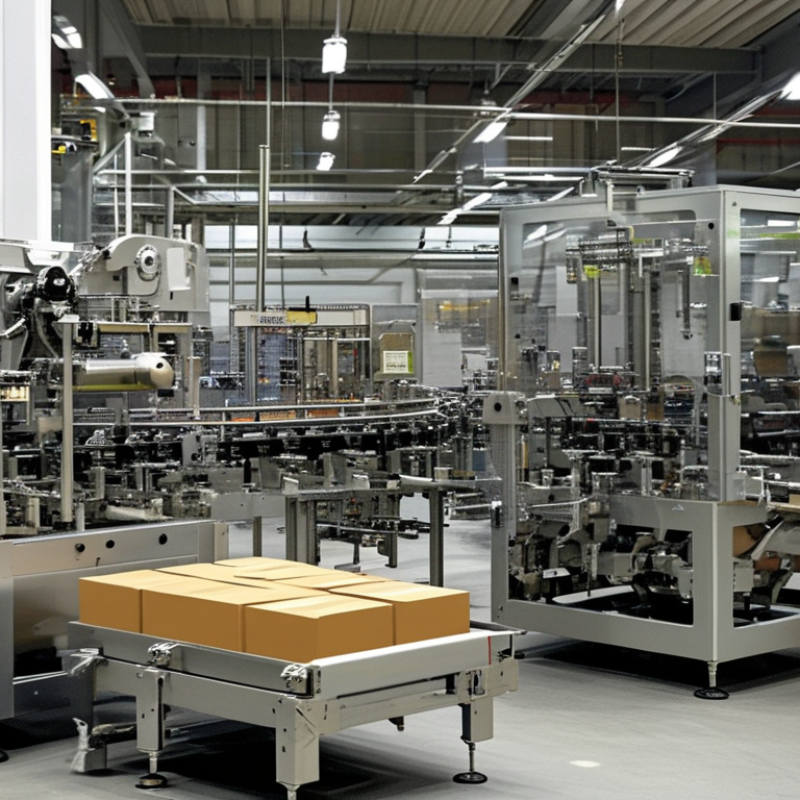
Defining Your Packaging Automation Needs and Production Goals
Choosing packaging automation equipment starts with a clear definition of your production needs. A machine should solve a measurable problem, not simply look advanced. Record current output, package dimensions, product weight, changeover time, labor hours, and error rates. These details reveal where automation can create value.
I have seen teams focus on maximum speed and overlook product variation. That choice often creates jams, damaged packages, or lengthy adjustments. Define realistic goals for the next three years. Consider daily volume, seasonal demand, new package sizes, and available floor space. Your equipment must fit the whole line, including conveyors, inspection systems, utilities, and operator access. Safety requirements and applicable regulations also need early review.
Small trials can expose important weaknesses. Test the most difficult product, not only the easiest one. Measure seal quality, placement accuracy, downtime, cleaning time, and changeover performance. Ask operators whether controls are clear and maintenance points are reachable. Their practical experience may challenge the original specification. That is useful. A perfect forecast is rarely possible. Leave room for learning, but do not ignore evidence. A detailed production profile makes supplier discussions more precise and supports a more reliable investment.
Comparing Packaging Automation Equipment Types and Functions
Choosing packaging automation equipment starts with comparing what each machine actually does, not chasing the highest advertised speed. Conveyors move products between stations, while fillers control quantity and reduce inconsistent portions. Sealers protect the package from air, moisture, and handling damage. Case packers arrange finished units into shipping cartons, and palletizers build stable loads for storage or transport.
Each type solves a different production problem. A vision inspection system can detect missing labels, weak seals, or incorrect counts before products leave the line. Robotic pick-and-place equipment suits mixed product sizes and frequent changeovers. Continuous systems often deliver higher output, but they may require more floor space and skilled maintenance. Intermittent machines usually offer easier adjustments for varied packaging formats. Fit matters more.
In plant evaluations, I compare actual throughput with the planned rate, then allow time for cleaning, material changes, and minor stoppages. A machine rated for 120 packages per minute may produce far less during frequent format changes. Measure twice. Check access to sensors, belts, sealing jaws, and control panels before installation. Operators should understand alarms without searching through dense manuals. I once underestimated changeover time by focusing too heavily on cycle speed; the equipment performed well, but the schedule did not. That choice matters. Reliable automation combines suitable functions, safe access, measurable performance, and practical support for the people using it.
How to Choose the Right Packaging Automation Equipment?
Comparing typical packaging automation equipment types by representative throughput and primary function
Throughput values are representative midpoints of common industrial operating ranges and can vary with product size, package format, changeover requirements, and line configuration. Form-fill-seal and labeling equipment typically support high pack rates, while case packing and palletizing are selected mainly for secondary and end-of-line automation.
Checking Equipment Compatibility with Products and Packaging Materials
Choosing packaging automation equipment starts with the product, not the machine. Measure product length, width, height, weight, and surface condition. Small variations can affect feeding, filling, sealing, and labeling accuracy. A soft pouch behaves differently from a rigid carton. Powder, liquid, and fragile goods also require different handling methods.
Packaging material compatibility deserves close attention. Check film thickness, stiffness, friction, moisture resistance, and heat-sealing temperature. A sealing jaw may close correctly but still create weak seals when the material changes.
Test the actual film, tray, carton, or pouch under normal production speeds. Inspect seal strength, wrinkles, leakage, and damaged edges. Short trials reveal more than attractive equipment specifications.
Machine adjustment range matters during product changeovers. Confirm whether guides, conveyors, sensors, and sealing tools can handle your full product range. Ask for documented test results and maintenance requirements. Operators should be able to make routine adjustments without unsafe improvisation.
I have seen teams focus on output speed and overlook cleaning access. That mistake becomes expensive later. A perfect specification rarely survives real production conditions, so leave room for material variation, seasonal changes, and learning from early trial runs.
Calculating Total Costs and Planning for Future Production Growth
Choosing packaging automation equipment requires more than comparing purchase prices. Total cost includes installation, training, maintenance, spare parts, energy, software updates, and production downtime. A machine priced at $80,000 may require another $15,000 before producing its first package. Request an itemized quotation, not a single headline figure.
I have seen early estimates fail because operators ignored changeover time. If a line switches between four box sizes daily, each adjustment can reduce available production hours. Measure current labor minutes, material waste, and stoppage frequency. Then calculate the cost per finished package over five years. Include technician visits and replacement components. Small expenses become noticeable.
Plan for growth before the factory feels crowded. A line producing 40 packages per minute may meet today’s demand but struggle after a new contract. Check whether the equipment allows faster conveyors, additional filling stations, or expanded control capacity. Leave floor space around the machine. Growth needs room.
Do not overbuy.
My own first calculation was too optimistic. It assumed steady orders and perfect uptime. Real production includes seasonal peaks, staff changes, and delayed materials. Build scenarios for normal, high, and low demand. Compare the cost of extra capacity with the cost of outsourcing urgent work. A flexible system may cost more initially, yet protect future labor budgets and delivery schedules. Recheck the model every six months, because forecasts rarely remain accurate.
How to Choose the Right Packaging Automation Equipment? — Calculating Total Costs and Planning for Future Production Growth
| Equipment Configuration |
Typical Application |
Rated Throughput
(Cases/Min) |
Estimated Annual Capacity
(Cases) |
Initial Equipment Cost
(USD) |
Installation & Training
(USD) |
Annual Labor Cost
(USD) |
Annual Maintenance
(USD) |
Annual Energy Cost
(USD) |
Estimated 5-Year TCO
(USD) |
3-Year Growth Headroom |
Planning Assessment |
| Manual-Assisted Packaging |
Low-volume operations with variable products and frequent changeovers |
6 |
576,000 |
$25,000 |
$4,000 |
$96,000 |
$2,000 |
$1,000 |
$524,000 |
−66% |
Lowest entry cost, but limited capacity and high labor exposure |
| Semi-Automatic Case Sealing and Labeling |
Steady production with moderate volume and several package formats |
18 |
1,728,000 |
$90,000 |
$15,000 |
$64,000 |
$6,000 |
$3,000 |
$470,000 |
2% |
Good near-term value; limited buffer for rapid demand growth |
| Modular Automated Packing Line |
Growing production requiring scalable filling, sealing, coding, and conveying |
30 |
2,880,000 |
$210,000 |
$35,000 |
$44,000 |
$14,000 |
$7,000 |
$570,000 |
71% |
Balanced choice for companies planning substantial volume expansion |
| Integrated Robotic Packing and Palletizing |
High-volume operations needing reduced manual handling and consistent output |
45 |
4,320,000 |
$260,000 |
$43,000 |
$40,000 |
$18,000 |
$9,000 |
$638,000 |
156% |
Strong capacity reserve and lower dependence on manual labor |
| High-Speed Fully Integrated Line |
Large-scale production with standardized products and continuous operation |
75 |
7,200,000 |
$520,000 |
$77,000 |
$28,000 |
$30,000 |
$18,000 |
$977,000 |
327% |
Best for major scale-up; highest capital requirement and technical complexity |
|
Calculation basis: Estimated annual capacity assumes 2,000 production hours per year and 80% effective utilization. Five-year total cost of ownership equals initial equipment cost plus installation and training, plus five years of labor, maintenance, and energy costs.
|
Production Growth Planning Assumptions
- Current planning volume: 1,200,000 cases per year.
- Forecast annual growth rate: 12%.
- Projected volume after three years: approximately 1,686,000 cases per year.
- Annual labor costs use fully loaded staffing estimates, including wages, benefits, and payroll-related expenses.
- Actual costs should be adjusted for package dimensions, changeover frequency, product handling requirements, operating shifts, utilities, floor space, and local labor rates.