NEED HELP FAST? We have over 40 years' experience with Bulk Material Handling, Packaging, and Processing. (979) 217-1480 GET A QUOTE
NEED HELP FAST? (979) 217-1480 GET A QUOTE
The packaging industry plays a vital role in global trade. It impacts how products reach consumers, ensuring they arrive safely and in appealing formats. As e-commerce continues to grow, the demand for innovative packaging solutions increases. Companies seek materials that are sustainable and cost-effective. However, the changing regulations pose challenges to businesses in this sector.
Technology advancements are reshaping the packaging landscape. Smart packaging and automation are becoming commonplace. Businesses must adapt to these trends or risk falling behind. Yet, this rush for innovation can lead to oversights, such as environmental impacts. Companies must consider their ecological footprint as they innovate.
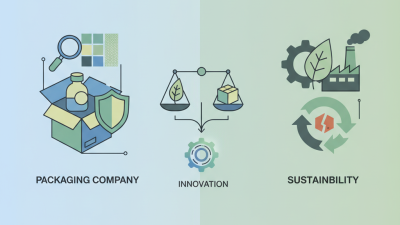
Consumer preferences are shifting towards eco-friendly options. Thus, the packaging industry must find a balance between functionality and sustainability. While it is crucial to meet market demands, firms should reflect on their practices. Addressing issues like waste and recyclability is essential for long-term success. The future of the packaging industry in global trade hinges on its ability to navigate these complexities.

Sustainable packaging is gaining momentum in global trade. According to a recent report by Smithers Pira, the global sustainable packaging market is expected to reach $500 billion by 2027. This growth reflects a shift in consumer preferences towards eco-friendly options. More than 70% of consumers are inclined to purchase products with sustainable packaging.
Innovations are essential in this evolving landscape. Biodegradable materials, like plant-based plastics, are becoming common. However, challenges remain in scaling these solutions. The technology for creating these materials is still developing. Furthermore, not all eco-friendly packaging holds up during shipping. Companies need to balance sustainability and functionality.
Regulations play a significant role in shaping the future of packaging. Many countries are implementing stricter packaging waste regulations. This creates urgency for brands to adapt. Industry leaders are investing in research to find viable alternatives. Despite this progress, the transition poses hurdles. Ensuring that sustainable options are affordable is crucial for widespread adoption.
| Year | Market Share (%) | Sustainable Packaging Materials Used (%) | Growth Rate (%) | Regions Emphasizing Sustainability |
|---|---|---|---|---|
| 2023 | 25 | 40 | 5 | North America, Europe |
| 2024 | 30 | 50 | 7 | North America, Asia |
| 2025 | 35 | 60 | 8 | Europe, Asia |
| 2026 | 40 | 70 | 10 | Global |
| 2027 | 45 | 80 | 12 | Global |
The rise of e-commerce has fundamentally transformed packaging requirements across the globe. With more consumers shopping online, businesses need packaging that is not only functional but also appealing. Customers expect quick delivery, which means packaging must be designed for efficiency. Traditional bulky boxes are often impractical. Instead, brands are now exploring innovative solutions to enhance customer experience.
Materials play a crucial role in this evolution. Eco-friendly options are gaining traction. Consumers are increasingly concerned about sustainability. They prefer packaging made from recyclable materials or biodegradable alternatives. However, finding the right balance between sturdiness and sustainability remains a challenge. Packaging must protect products during transit but also not harm the environment.
Design is another critical aspect to consider. In an online marketplace, the first impression is often through packaging. Creative and thoughtful design can make a product stand out. However, this focus on aesthetics can lead to over-packaging, which could be viewed as wasteful. Brands are now faced with the question of how to innovate without contributing to unnecessary waste. As the industry evolves, rethinking packaging strategies will be essential to meet both consumer expectations and environmental standards.
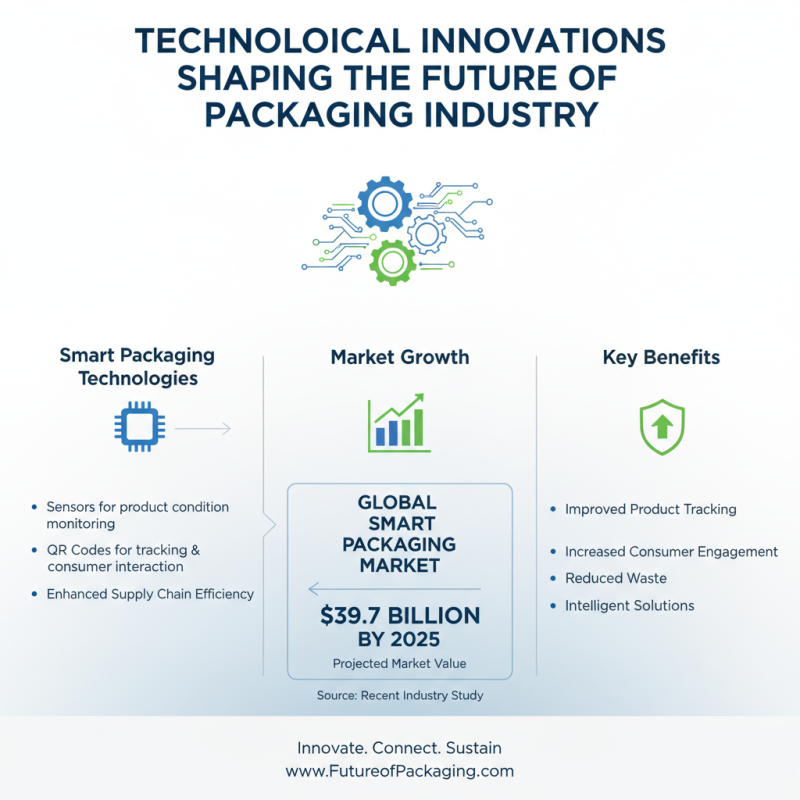
The packaging industry is on the brink of transformation, largely driven by technological innovations. Smart packaging technologies, such as sensors and QR codes, enhance product tracking and consumer engagement. According to a recent study, the global smart packaging market is projected to reach $39.7 billion by 2025. This growth underlines the increasing importance of intelligent solutions in packaging.
Moreover, sustainable packaging materials are gaining traction. Biodegradable and recyclable options are not just trends; they are becoming necessities. A report from the Ellen MacArthur Foundation highlights that shifting to sustainable packaging could reduce carbon emissions by up to 50% by 2030. Companies need to reflect on their environmental impact and consider these alternatives seriously.
Yet, challenges remain. While these innovations promise efficiency and sustainability, the costs of implementation can be high. Smaller businesses may struggle to adopt these advanced technologies. Balancing innovation with affordability is crucial. As the industry evolves, commitment to sustainability and technological advancement must be matched by practical solutions for all market players.
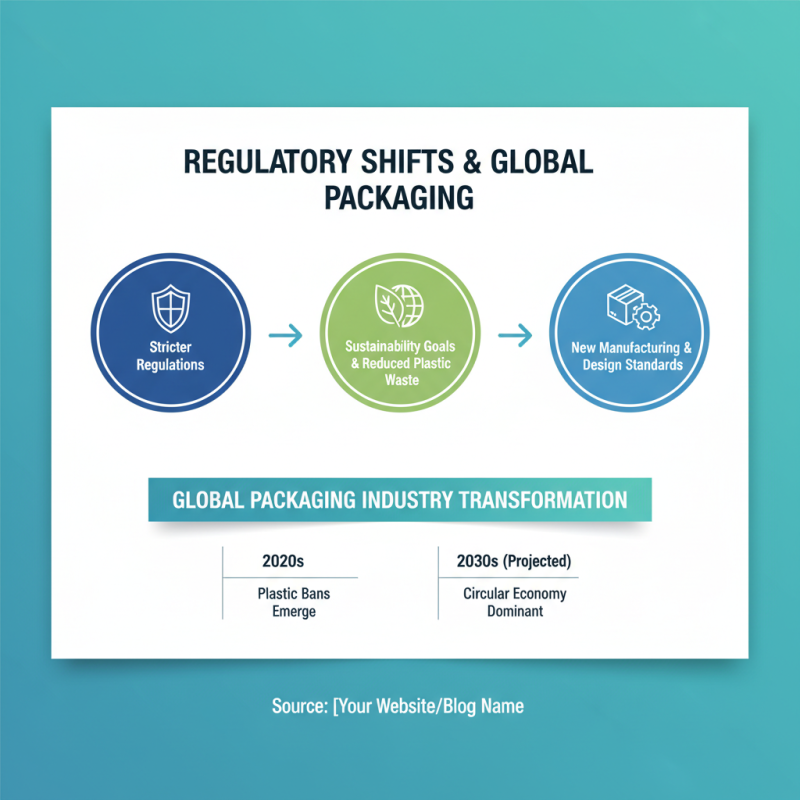
The packaging industry is undergoing significant transformations due to regulatory changes. These changes influence global packaging standards, aligning them with sustainability goals. Governments worldwide are implementing stricter regulations to reduce plastic waste. This impacts how manufacturers design and produce packaging.
Consumers are increasingly demanding eco-friendly packaging. Businesses must adapt to these expectations or risk losing market relevance. Understanding these regulatory changes is crucial for compliance and innovation. New materials and designs are emerging, focusing on recyclability and biodegradability.
**Tip:** Stay informed about local and international packaging regulations. Join industry forums or webinars to discuss best practices and strategies. Engaging with peers can provide insights into successful adaptations.
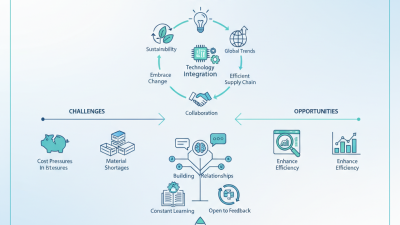
Companies should also reflect on their supply chains. Are they ready to meet the new standards? Re-evaluating suppliers and materials may be necessary. This could lead to discovering more sustainable practices or partners. Embracing change can enhance brand reputation and open new market opportunities.
**Tip:** Conduct regular audits of your packaging materials. This can identify areas for improvement and ensure compliance with evolving regulations.
In recent years, consumer behavior has undergone significant changes, influencing packaging design preferences. A report by Smithers Pira indicates that the global packaging market is expected to reach $1 trillion by 2024, driven largely by eco-conscious consumers. People now prefer sustainable materials, pushing brands to rethink their packaging strategies. For instance, 72% of shoppers are more likely to buy products with environmentally friendly packaging.
This shift emphasizes the importance of design innovation. Minimalist packaging with clear messaging can enhance product appeal. Less clutter allows consumers to focus on key information. However, brands must balance aesthetics with functionality. An untested design might not resonate with consumers, and companies risk alienating their audience.
**Tips:** Embrace transparency in packaging. Clear labeling can build trust. Experiment with textures and colors to attract attention. Monitor consumer feedback closely. Adapting quickly to preferences can lead to greater market success.