NEED HELP FAST? We have over 40 years' experience with Bulk Material Handling, Packaging, and Processing. (979) 217-1480 GET A QUOTE
NEED HELP FAST? (979) 217-1480 GET A QUOTE

Choosing the right Gel Packing Machine in 2026 is not simply a price comparison. It is a process decision. Product viscosity, pouch size, filling accuracy, sealing temperature, output targets, and cleaning requirements all affect machine performance. A thick aloe gel may move slowly through narrow pipes, while a thinner cosmetic gel can foam during filling. Small details matter.
John R. Henry, a recognized packaging machinery author, offers a practical principle: “Choose the process before choosing the machine.” That advice remains highly relevant. Buyers should observe the product under real production conditions, not only during a polished supplier demonstration. Request sample testing with your actual gel, packaging film, and target fill weight. Check whether the machine maintains stable dosing after several hours. It should.
A reliable Gel Packing Machine should provide repeatable filling, strong seals, accessible contact parts, and clear operating controls. Food, cosmetic, and pharmaceutical applications may also require different hygienic designs and documentation. Confirm material compatibility before signing an order. Stainless steel construction alone does not guarantee suitable sanitation.
Budget pressure can make a cheaper machine attractive. Sometimes it is the wrong saving. Downtime, product waste, difficult cleaning, and unavailable spare parts can cost more than the original price. I would also question impressive speed claims. They may reflect ideal conditions, not daily factory reality.
This guide examines machine types, filling systems, sealing methods, automation levels, maintenance needs, and supplier support. It also considers an uncomfortable point: the “best” machine may not be the fastest. It may be the one your team can operate consistently, clean correctly, and maintain without guesswork.
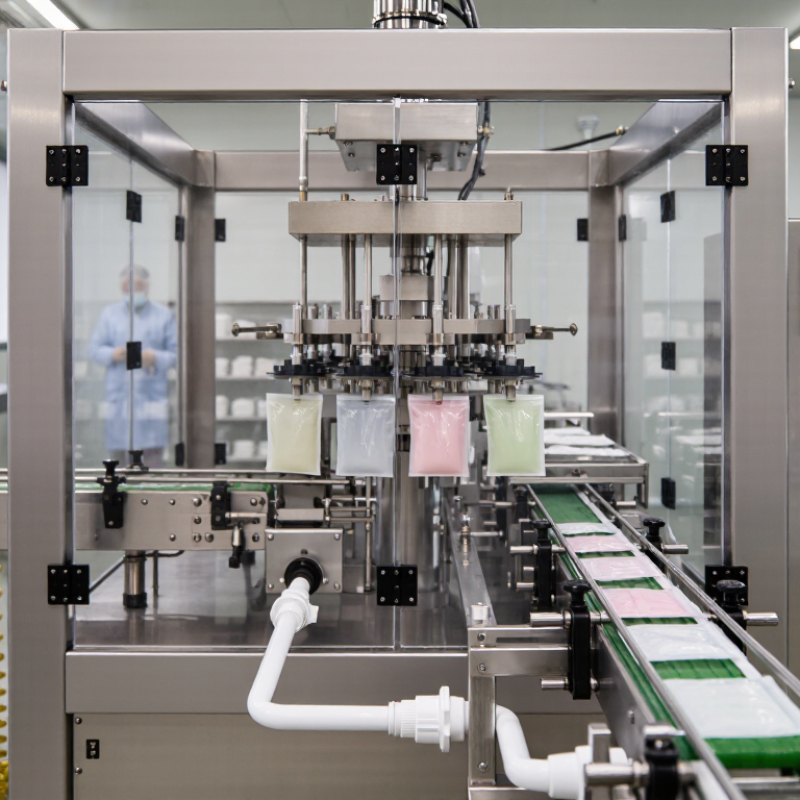
Gel packing machines differ mainly in the package they fill and the way they move product. Sachet and stick-pack machines suit single-use portions, such as condiment gels or travel-size personal-care products. Tube fillers work well for thicker creams and gels sold in squeezable containers. Bottle and jar systems handle larger volumes, including food gels and household products. Small packs save space. But they may require frequent film changes.
Filling technology matters too. Piston fillers can handle many dense gels, while pump-based systems may offer smoother dosing for products that need gentle handling. A gel with visible particles needs a wider, suitable product path; otherwise, blockages and uneven fills can occur. Ask suppliers to test your actual gel, not a similar-looking sample. Check fill accuracy, cleaning access, changeover time, and how the machine performs at your intended speed. These details are easy to overlook.
Match the machine to the product’s viscosity, container, batch size, and daily production schedule. A compact tabletop unit may suit pilot runs, while an automated line can reduce repetitive work at higher volumes. Still, faster is not always better. Seal quality and consistent portion size deserve attention. I would also leave room in the budget for operator training and spare parts. The first machine choice may not be perfect; production trials often reveal needs that a brochure cannot.
A gel packing machine should match the product you actually make, not just the output figure on a supplier’s chart. Estimate normal and peak demand, then allow time for cleaning, changeovers, and routine stops. A line rated for 60 packs per minute may deliver less during a shift. Test with your own gel and packaging before committing.
Gel behavior matters. A thin gel may drip from a nozzle, while a thick or temperature-sensitive formula can fill unevenly. Check viscosity across the expected production temperature range, and note whether the gel traps air or contains particles. Ask for trials using representative samples. Watch the fill cut-off, container cleanliness, and weight consistency. Small details count. A little residue can make a pouch seal unreliable.
Choose the packaging format early. Sachets, tubes, jars, and bottles need different filling and sealing arrangements. Confirm the machine can handle your target fill volume, package dimensions, and material thickness. Also consider how often operators will switch formats; quick, tool-light adjustments can save time, though they may add cost. Do not rely on a single successful trial. I would want repeated runs and clear records of speed, rejects, and cleaning time. Those figures are not perfect predictors, but they expose assumptions worth questioning.
Choosing a gel packing machine in 2026 means comparing more than its advertised output. Check how it handles your actual gel viscosity, container size, and daily production rhythm. A machine rated for high speed may slow down when filling thick gel into narrow-neck bottles. Ask for a trial using your product, not a substitute with different flow behavior.
Accuracy matters at every fill. Watch several cycles and weigh the containers; a small variation can become noticeable across a full shift. Look for adjustable dosing and controls that operators can understand without repeated guesswork. Keep the setup realistic. A feature-rich interface is not automatically easier to use. Some settings may still need careful manual adjustment.
Flexibility can protect your investment as products or packaging change. Check how quickly the machine switches between container sizes, and whether nozzles, hoses, and contact parts can be cleaned or replaced without lengthy downtime. Speed is useful, but only when fills remain consistent and changeovers do not consume the time saved. Record trial results, including setup time and rejected containers. One test may not predict every production day, but it gives you better evidence than a brochure.
When choosing a gel packing machine in 2026, check how product-contact surfaces are built and cleaned. Smooth stainless steel, accessible joints, and removable nozzles can reduce residue traps. Ask to see the cleaning procedure, not just a polished demonstration. Can an operator reach beneath the filling head without awkward tools? Small gaps matter. Confirm that seals and hoses suit the gel’s ingredients and cleaning routine; compatibility should be documented, not assumed.
Safety checks should cover guards, emergency stops, and clear access around moving parts. Test the stop during a supervised demonstration. It should respond promptly. Review how the machine behaves during jams, power loss, and changeovers, since these moments can expose weak procedures. Automation also needs a practical assessment. Sensors, fill controls, and alarms may improve consistency, but operators still need readable displays and straightforward adjustments. A complicated screen can slow a shift rather than help it.
Maintenance requirements deserve equal attention. Ask how often nozzles, pumps, and seals need inspection, and whether routine work requires specialist support. Look for clear maintenance records and realistic access to replacement parts. Track fill-weight variation during a trial run, including the first containers after startup. One caution: a short test may not reveal wear or cleaning problems that appear over time. Plan a longer evaluation where possible, and leave room to revise the checklist.
A gel packing machine’s purchase price is only the visible part of its cost. Compare installation, operator training, changeover time, energy use, and routine maintenance. Ask for a written estimate covering guards, tooling, and commissioning; small omissions can shift the budget. A lower-priced machine may need more frequent adjustments. That matters.
Supplier quality affects long-term value. Request a sample run using your actual gel, container, and target fill weight. Check seal consistency, drip control, and output after several hours, not just during a brief demonstration. Ask how quickly technicians respond and which spare parts are stocked locally. A detailed service plan is more useful than broad promises. Get response times in writing.
Evaluate the machine against realistic production needs, including future container sizes and seasonal demand. Review the warranty exclusions, expected maintenance intervals, and availability of wear parts. Then estimate cost per acceptable package over several years, including downtime and product loss. The math will not be perfect; assumptions about growth often miss. Leave room for that uncertainty. A practical choice is usually the machine your team can operate, clean, and maintain consistently—not simply the one with the highest advertised speed.