NEED HELP FAST? We have over 40 years' experience with Bulk Material Handling, Packaging, and Processing. (979) 217-1480 GET A QUOTE
NEED HELP FAST? (979) 217-1480 GET A QUOTE

Global buyers are asking a practical question: What are the top filling machines for today’s demanding production lines? The answer depends on product viscosity, container shape, output targets, hygiene requirements, and local service support. Liquid fillers, powder fillers, piston fillers, peristaltic pumps, and volumetric systems each solve different problems. Fit matters.
Industry data shows why this decision deserves careful attention. PMMI’s 2024 State of the Industry report highlights continuing investment in automation, labor efficiency, and flexible packaging equipment. Grand View Research’s Filling Machines Market Size, Share & Trends Analysis Report, 2024–2030, also identifies automation and pharmaceutical demand as important market drivers. Meanwhile, Smithers’ The Future of Global Packaging to 2028 connects packaging growth with changing consumer habits, sustainability expectations, and regional manufacturing expansion. These reports offer useful direction, but they do not replace factory-level testing.
A reliable comparison should examine filling accuracy, changeover time, cleaning access, speed stability, and compatibility with local standards. For example, a rotary filler may suit high-volume beverage production, while a servo piston machine can handle thicker sauces with greater control. A compact line may look attractive in a quotation. It may struggle beside a dusty loading area or an unstable power supply. No machine wins everywhere.
This guide evaluates leading filling machines through a buyer’s lens, combining published market evidence with practical equipment considerations. It also questions common assumptions. The cheapest option can create higher maintenance costs, longer downtime, and inconsistent fill weights. Experienced buyers should request product trials, service records, spare-parts plans, and documented performance data before approving a purchase.
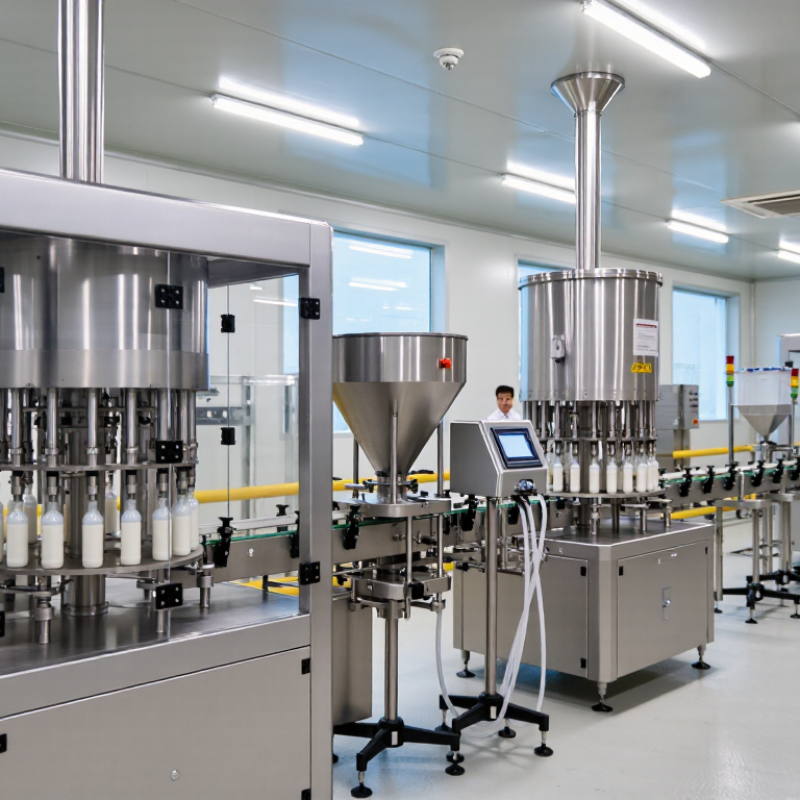
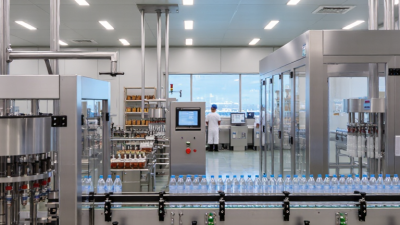
A filling machine transfers a measured amount of product into bottles, jars, pouches, or other containers. It starts simply. Containers move along a conveyor and pause beneath filling nozzles. Sensors confirm their position before valves open. A pump, piston, gravity system, or auger then delivers the product.
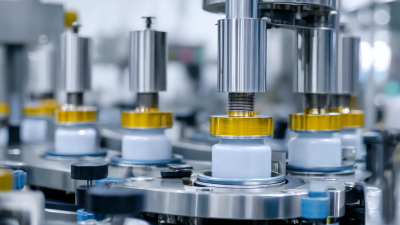
The machine’s filling method depends on the material. Gravity filling suits thin liquids, while piston systems handle thicker creams and sauces. Peristaltic pumps can reduce product contact with internal machine parts. Auger fillers measure powders by controlled screw movement. After filling, the valves close, and the containers continue toward capping or sealing equipment. Small adjustments to speed, pressure, and nozzle height can prevent splashing or foam.
In practical testing, buyers should run their own product through the machine. Water may fill smoothly, while syrup behaves very differently. Check volume accuracy, container stability, cleaning access, and changeover time. A reliable system should support calibration records and repeatable settings. I have seen machines perform well during demonstrations but struggle with uneven container shapes. That weakness matters. Product temperature, viscosity, and room conditions can also affect results. Operators need clear controls and routine inspection points. A fast machine is not always the best machine if maintenance becomes difficult or filling accuracy declines.
Choosing the right filling machine starts with the product, not the machine catalogue. Liquid products often suit overflow, piston, or peristaltic fillers. Overflow systems create consistent bottle levels for thin liquids. Piston fillers handle sauces, creams, and other viscous products. Powder products usually need auger fillers, while free-flowing granules may require cup or weigh-based systems. Products with visible particles need gentle piston or pump systems. Aseptic filling demands controlled environments and validated sterilization procedures. According to Grand View Research’s 2024 analysis, the global filling machine market is expected to grow steadily through 2030, supported by food, beverage, pharmaceutical, and personal-care production. Growth alone does not identify the correct machine.
Tips:
Test the actual product before purchasing. Measure viscosity at production temperature. Check particle size, foam behavior, filling accuracy, cleaning time, and container shape. A faster line is not always better. I have seen small dosage errors become expensive waste during long production runs. PMMI industry reports also highlight labor shortages and automation as major packaging concerns. Therefore, buyers should examine changeover time, remote diagnostics, operator training, and spare-part access. These details can matter more than headline speed. Gravimetric filling may improve accuracy, but it can increase equipment cost and require stable scales. Peristaltic systems simplify product contact management, yet tubing wear needs regular inspection. The practical choice is often a compromise, and that compromise deserves documented testing.
Global buyers should compare filling machines by product behavior, container design, and operating conditions. A thin liquid may need a different filling principle than a thick cream. Check the working range carefully. A machine that handles 50–500 milliliters may struggle with a 1-liter container. Filling accuracy matters, especially when material costs are high. Ask for test results using your actual product, not only water. Small differences can become expensive over thousands of units.
Hygienic design deserves close attention. Look for stainless-steel contact parts, smooth welds, simple drainage, and tool-free changeover where possible. Cleaning procedures should be clear and documented. Production speed is important, but uptime is more valuable than an impressive brochure number. Compare control systems, alarm records, recipe storage, and compatibility with local power standards. Remote support can reduce delays, yet local technicians and spare-part availability often matter more. Documentation should include manuals, wiring diagrams, maintenance schedules, and safety information.
Tips: Compare at least three machines under the same test conditions. Check accuracy at low, medium, and high speeds. Inspect sample containers after filling. Ask how long cleaning takes between products. Confirm the warranty, training, and response time in writing. Do not ignore noise or operator comfort. These details affect daily production. A perfect specification sheet can still disappoint. There is always some uncertainty, so leave room for practical testing and future product changes.
Production volume should guide the machine type, not just the purchase budget. A small workshop filling 500 bottles per hour may need a compact piston or peristaltic filler. These systems offer control without excessive automation. A factory targeting 12,000 containers per hour needs synchronized filling heads, automatic feeding, and accurate conveyor timing. Otherwise, minor delays can become expensive downtime.
Packaging format changes the decision sharply. Liquid products in narrow bottles often suit overflow or time-pressure filling systems. Thick sauces may require piston fillers with wider valves and heated product paths. Powdered ingredients commonly need auger dosing, while free-flowing granules may perform better with volumetric or weigh-based systems. Pouches, tubes, jars, and irregular containers each demand different supports, nozzles, and change parts. One machine rarely handles every format equally well.
In practical line assessments, I check fill accuracy at the slowest and fastest planned speeds. I also inspect cleaning access, product-contact materials, sealing consistency, and tool-free changeover time. A machine rated for high output can disappoint when operators need forty minutes to switch bottle sizes. That detail is easy to overlook. Buyers should request trials using real products and actual packaging, not substitute samples. Viscosity, foam, temperature, and container flexibility can change results. My own preference is sometimes conservative: leaving capacity for growth is wise, but oversized equipment can waste space, energy, and maintenance hours.
Global buyers often compare piston, servo, peristaltic, gravity, and auger filling machines. The right choice depends on product behavior, container design, and production volume. Piston fillers suit creams and thick sauces. Peristaltic systems support cleaner handling for sensitive liquids. Auger fillers offer better control for powders. High speed alone is not enough. A machine must maintain fill accuracy when temperature and viscosity change.
Supplier standards deserve equal attention. Request material certificates for product-contact parts, electrical test records, and clear machine drawings. Food and cosmetic applications may require hygienic design, cleanable surfaces, and documented contact-material compliance. Check whether the supplier follows recognized quality systems, such as ISO 9001, and whether regional electrical requirements are supported. Certifications should match the destination market. A certificate without traceable scope is weak evidence.
Ask for factory acceptance testing with your actual product, containers, and target speed. Review fill-weight records, changeover time, cleaning steps, noise levels, and rejected samples. Confirm spare-part availability, remote support, operator training, and response times in writing. A low quotation may exclude installation or validation support. That can become expensive.
Small details matter. Can the pump handle your product safely? Are seals easy to replace? Does the control system provide usable production data? Buyers should also inspect references from similar applications, not just large installations. A supplier may promise flexibility, yet struggle with minor container variations. This is where careful testing reveals uncomfortable gaps.
| Machine Type | Best-Suited Products | Typical Container Formats | Typical Output Range* | Filling Principle | Main Advantages | Key Limitations | Common Global-Sourcing Considerations |
|---|---|---|---|---|---|---|---|
| Volumetric Liquid Filler | Water-like and moderately viscous liquids, including beverages, sauces, detergents, and personal-care liquids | Bottles, jars, cans, and small containers | Approximately 10–120 containers per minute, depending on the number of filling heads and product characteristics | Measures a defined volume through pistons, flow meters, or timed filling | Consistent dosing, broad product compatibility, and relatively simple operation | Foaming, viscosity changes, and temperature variation can affect accuracy | Confirm product viscosity range, filling tolerance, wetted-part materials, and cleaning method |
| Piston Filler | Thick products such as creams, pastes, gels, honey, peanut butter, and concentrated sauces | Jars, bottles, tubs, pouches, and cartridges | Approximately 10–80 containers per minute, depending on dose size and machine configuration | A piston draws and discharges a measured product volume | Strong performance with viscous products and accurate large-dose filling | May require heated hoppers, larger pumps, or special valves for highly viscous products | Check piston seal materials, temperature-control options, hopper design, and disassembly time |
| Overflow Filler | Low-viscosity liquids where a uniform visual fill level is important | Transparent bottles and containers with consistent internal geometry | Approximately 20–150 containers per minute, depending on bottle size and head count | Fills to a consistent level while excess liquid returns to the supply tank | Attractive, uniform fill levels even when internal container volume varies slightly | Less suitable for highly viscous, particulate, or strongly foaming products | Verify bottle-neck dimensions, recirculation design, foam control, and product recovery hygiene |
| Gravity Filler | Free-flowing liquids with relatively stable viscosity | Bottles, cans, and lightweight containers | Approximately 10–100 containers per minute | Product flows from an elevated tank into containers under gravity | Simple construction, low maintenance, and comparatively low capital cost | Filling speed and accuracy depend strongly on product flow and tank-level stability | Assess product density, required accuracy, tank-height limitations, and automation requirements |
| Net-Weight Filler | Products sold by mass, including powders, granules, liquids, and bulk ingredients | Bags, pouches, jars, drums, cartons, and containers | Approximately 5–80 fills per minute, depending on target weight and product flowability | Weighs the product during or immediately before filling | Controls product giveaway and supports legally controlled declared weights | Requires stable weighing conditions and may be affected by vibration or air movement | Review scale resolution, calibration procedures, load-cell protection, and local metrology rules |
| Auger Powder Filler | Free-flowing and non-free-flowing powders such as flour, spices, milk powder, and pharmaceutical powders | Bottles, cans, jars, bags, and sachets | Approximately 15–100 containers per minute, depending on powder behavior and dose size | An auger screw dispenses a measured volume or weight of powder | Suitable for a wide range of powder characteristics and compact container formats | Dust generation, bridging, segregation, and product compression may affect performance | Confirm dust-control design, auger tooling, extraction provisions, and changeover cleaning procedures |
| Cup or Volumetric Granule Filler | Free-flowing granules such as rice, seeds, pulses, pellets, and dry food ingredients | Pouches, bags, jars, and containers | Approximately 20–120 fills per minute, depending on product and cup configuration | Uses adjustable measuring cups or cavities to dispense a preset volume | High throughput and straightforward mechanical operation for free-flowing products | Bulk-density variation can cause weight variation when volume is used as the measurement basis | Request product-flow tests, sample accuracy reports, and tooling for the required dose range |
| Aseptic or Ultra-Clean Filler | Heat-sensitive beverages, dairy alternatives, liquid foods, and products requiring extended shelf life | Sterilized bottles, cartons, pouches, or specialized containers | Often 30–600 containers per minute, depending on package type and sterilization system | Fills sterilized product into a controlled, sterilized packaging environment | Supports long shelf life without relying solely on conventional preservatives | High capital cost, complex validation, and demanding utility requirements | Evaluate aseptic validation, sterile-air management, utility quality, operator training, and service coverage |
| Monoblock or Integrated Filler-Capper | Liquid products requiring synchronized filling and closing operations | Bottles and jars with screw, press-on, or other compatible closures | Approximately 20–300 containers per minute, depending on format and filling technology | Combines container handling, filling, and capping in one coordinated system | Reduced transfer points, compact footprint, and improved line synchronization | Format changes can be more complex and downtime may affect multiple operations at once | Check cap compatibility, change-part costs, line controls, access for cleaning, and spare-part availability |
*Output ranges are indicative industry ranges rather than guaranteed capacities. Actual performance depends on product viscosity, temperature, foaming, particle size, target dose, container geometry, filling-head quantity, automation level, and required accuracy.
| Area to Verify | Relevant Standard, Regulation, or Practice | What Buyers Should Request | Why It Matters in Global Sourcing |
|---|---|---|---|
| Machine Safety | Applicable machinery-safety legislation in the destination market; risk assessment aligned with recognized machinery-safety principles | Risk assessment, guarding description, emergency-stop layout, electrical drawings, and safety-component documentation | Supports safe installation, regulatory review, operator protection, and smoother import approval |
| European Market Access | CE marking requirements where applicable, together with the relevant EU machinery, electrical, electromagnetic-compatibility, and harmonized standards | EU Declaration of Conformity, technical documentation summary, manuals, and conformity assessment records | Documentation must match the actual machine configuration and intended use in the EU market |
| Food-Contact Materials | Applicable food-contact rules, such as EU Framework Regulation (EC) No. 1935/2004 or applicable U.S. food-contact requirements under 21 CFR | Material declarations, supplier certificates, elastomer specifications, and traceability records for product-contact parts | Reduces contamination risk and helps buyers demonstrate compliance with local food regulations |
| Hygienic Design | Hygienic-design principles and, where required, recognized guidance such as EHEDG recommendations or equivalent local practices | Weld-quality information, drainability details, surface-finish data, dead-zone review, and cleaning instructions | Important for food, beverage, dairy, pharmaceutical, and personal-care applications |
| Quality Management | ISO 9001 certification is a common supplier-quality indicator, but certification alone does not guarantee machine performance | Valid certificate scope, quality-control process, inspection records, nonconformance procedure, and traceability method | Helps assess process consistency and the supplier’s ability to manage corrective actions |
| Electrical Compatibility | Destination-market requirements for voltage, frequency, earthing, control panels, electromagnetic compatibility, and language | Electrical schematic, load list, component ratings, control-voltage details, and approved plug or connection configuration | Prevents installation delays, unsafe modifications, and compatibility problems at the buyer’s site |
| Documentation and Language | Destination-market requirements for operating instructions, warnings, maintenance information, and labels | User manual, spare-parts list, pneumatic diagram, software backup, training materials, and translated safety information | Clear documentation improves commissioning, training, maintenance, and legal compliance |
| Validation and Records | Application-specific validation practices, particularly for pharmaceutical, aseptic, or controlled-process installations | Factory acceptance test records, calibration certificates, performance data, cleaning validation support, and change-control records | Provides objective evidence that the equipment meets the agreed user requirements |
| Supplier Factor | Recommended Evaluation Questions | Useful Evidence | Suggested Importance |
|---|---|---|---|
| Product-Test Capability | Can the supplier test the buyer’s actual product, container, closure, and target dose before order confirmation? | Recorded sample tests, accuracy results, speed data, videos, and signed test protocols | Very High |
| Technical Fit | Can the machine handle viscosity, temperature, particles, foaming, dust, container tolerances, and required changeover ranges? | Approved product specification, process-flow diagram, equipment layout, and performance guarantee | Very High |
| Accuracy and Throughput | Are filling accuracy, acceptable variation, line speed, and uptime clearly defined under agreed test conditions? | Factory acceptance test criteria, statistical filling data, and clearly stated exclusions | Very High |
| Hygiene and Cleanability | Are product-contact areas accessible, drainable, corrosion-resistant, and compatible with the cleaning method? | Material list, surface-finish records, cleaning procedure, dismantling drawings, and photographs | High |
| Customization Control | Can the supplier manage custom container sizes, filling volumes, electrical specifications, software language, and line integration? | Engineering-change process, approved drawings, interface list, and change-part schedule | High |
| After-Sales Service | What remote-support, commissioning, training, troubleshooting, and field-service resources are available in the destination region? | Service-level agreement, response-time commitments, technician coverage, and support contact process | High |
| Spare Parts | Which wear parts are critical, how long are they available, and how quickly can they be shipped internationally? | Recommended spare-parts list, price validity, lead times, part numbers, and interchangeability information | High |
| Total Cost of Ownership | What are the costs for tooling, utilities, installation, validation, maintenance, consumables, software, and future upgrades? | Five-year cost estimate, utility consumption data, maintenance schedule, and upgrade pricing | High |
| Delivery and Project Management | Are design approval, manufacturing, testing, shipping, installation, and training milestones clearly scheduled? | Project plan, responsibility matrix, inspection points, packing specification, and shipment documents | Medium–High |
| Commercial and Contract Terms | Do the quotation, warranty, acceptance criteria, payment terms, intellectual-property provisions, and liability limits match the project risk? | Detailed quotation, warranty terms, purchase contract, acceptance protocol, and insurance information | High |