NEED HELP FAST? We have over 40 years' experience with Bulk Material Handling, Packaging, and Processing.   (979) 217-1480 GET A QUOTE

NEED HELP FAST?   (979) 217-1480   GET A QUOTE
What Is the Best Bagging Equipment from China?

Choosing the best bagging equipment from China requires more than comparing prices or advertised production speeds. The right machine must match the product, bag format, target weight, factory space, and operator skill. A 25-kilogram flour line needs different feeding and dust-control features than a granule or powder system. Small details matter.

Packaging machinery expert Charles D. Yuska once emphasized, “The best machine is the one that fits the application, not simply the one with the highest speed.” This principle remains useful when evaluating Chinese manufacturers. A reliable bagging equipment supplier should explain weighing accuracy, filling speed, sealing performance, material compatibility, and cleaning procedures clearly. Stainless-steel contact parts can simplify sanitation. Accessible sensors can reduce troubleshooting time. Local or responsive technical support can prevent a minor fault from stopping production for several days.

The cheapest option may not be the most economical. Think carefully. A machine that claims 1,200 bags per hour may lose efficiency when handling dusty materials, uneven bags, or frequent product changes. Some quotations also exclude conveyors, dust collectors, spare parts, installation, or operator training. That creates an unpleasant surprise later.

This guide examines leading Chinese bagging equipment options through practical criteria, including build quality, automation, customization, maintenance, documentation, and after-sales service. The comparison is not perfect, because performance depends on testing conditions and product behavior. Buyers should request sample trials, inspect finished bags, and verify actual tolerances before making a final decision.
What Is the Best Bagging Equipment from China?

What Is Bagging Equipment and How Does It Work?

What Is the Best Bagging Equipment from China?

What Is Bagging Equipment and How Does It Work?

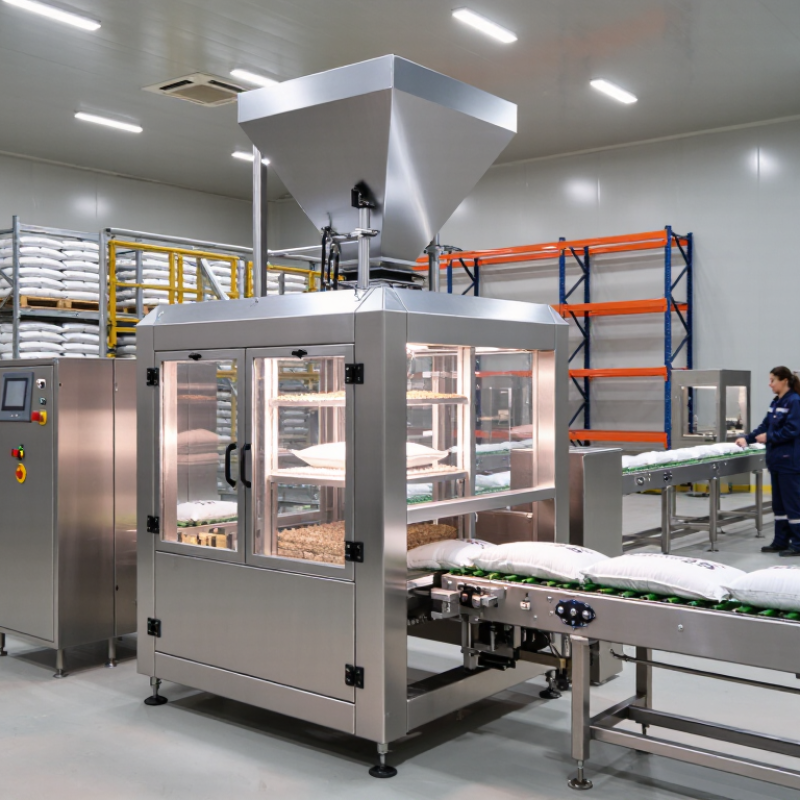
Bagging equipment fills, weighs, and seals products inside prepared bags. It can handle powders, granules, seeds, snacks, and other dry materials. The process usually begins with a hopper holding the product. A dosing system measures each portion by weight or volume. The machine then opens a bag, releases the product, and seals the package. Some systems also add date coding, dust control, metal detection, or conveyor transfer.

The best equipment depends on your material, bag size, target weight, and production speed. Fine powder may need an auger filler, while grains often suit a weigh-based system. Sensors check bag position and filling accuracy. A programmable controller coordinates each movement. In practical testing, operators should inspect seal strength, weighing errors, cleaning access, and changeover time. No machine fits every product. A lower purchase price can look attractive, but weak technical support may increase downtime. That point is easy to overlook.

Tips: Request a sample test using your actual product and bags. Confirm the machine’s contact parts are suitable for your hygiene requirements. Ask for calibration records, operating manuals, spare-part details, and training arrangements. Check whether the supplier can explain error alarms clearly. A factory visit or live video inspection adds useful evidence. Also, measure your available floor space before ordering. Small oversights can become expensive modifications.

Which Types of Bagging Machines Are Made in China?

Chinese manufacturers produce several types of bagging machines for food, chemicals, agriculture, and general industrial products. Vertical form-fill-seal machines create bags from a continuous film roll. They suit rice, snacks, granules, and many dry products. Horizontal form-fill-seal machines handle products needing gentle movement, such as bakery items or soap bars. Premade pouch machines open, fill, and seal prepared bags with a clean appearance.

Powder products usually require auger fillers with dust-control features. Granular products often use net-weigh or multihead weighing systems. Liquid bagging machines may use piston, pump, or flow-meter filling methods. Vacuum machines remove air before sealing, which can improve package stability. Small sachet machines serve single-use portions, while open-mouth and valve bag systems handle larger industrial packages. It is not universal.

Choosing the right Chinese equipment depends on product density, moisture, particle size, bag material, and target weight. A machine that runs well with sugar may perform poorly with sticky powder. I have seen specifications look impressive, yet factory trials revealed uneven filling and weak seals. Speed alone misleads. Ask for sample testing with your actual product and packaging film. Check weighing accuracy, seal strength, cleaning access, spare-part availability, and operator training. Reliable suppliers should provide test records, electrical details, safety documents, and clear acceptance standards. A careful trial is often more valuable than a lower initial price.

What Is the Best Bagging Equipment from China?

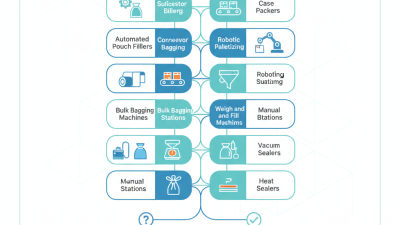
Typical throughput ranges of common bagging machine types manufactured in China

China manufactures a wide range of bagging equipment, including open-mouth, valve, form-fill-seal, premade pouch, vacuum, and bulk bag machines. The best option depends on the product, bag format, required capacity, filling accuracy, and level of automation. The throughput figures show common operating ranges and may vary according to material characteristics, bag size, and machine configuration.

How to Match Bagging Equipment to Your Product

What Is the Best Bagging Equipment from China?

The best bagging equipment depends on your product, not its country of origin. Powder, granules, liquids, and fragile pieces need different filling methods. Fine powder may require an auger filler and dust control. Granules often work better with weighing systems or volumetric cups. Liquids usually need piston or flow-meter filling. Product density can change during production, so testing matters.

Match the machine to bag size, target weight, moisture, and production speed. A small pouch line needs different equipment from a heavy industrial bagging line. Check sealing temperature, weighing accuracy, material contact surfaces, and cleaning access. Stainless steel construction helps with hygiene and durability. Ask Chinese manufacturers for sample trials, factory videos, technical drawings, and spare-parts lists. Do not rely only on impressive speed claims. Real output may fall when products behave unevenly.

Tips: Send representative product samples before choosing equipment. Test at least three bag sizes. Record filling accuracy, sealing strength, dust levels, and changeover time. Confirm electrical standards and operator training. A practical mistake is choosing maximum speed too early. Stable accuracy usually matters more. Leave room for adjustment.

What Features Define the Best Chinese Bagging Equipment?

The best Chinese bagging equipment is defined by practical performance, not a polished brochure. In factory trials, operators should inspect filling accuracy, sealing strength, and changeover time. A reliable machine keeps weight variation within the required tolerance. It also handles different bag sizes without constant manual adjustment. Clear controls matter. They reduce training time and prevent avoidable setting errors.

Build quality is equally important. Stainless steel contact parts resist corrosion and simplify cleaning. Servo-driven dosing systems can improve repeatability for powders, granules, and other dry materials. Dust extraction points help protect sensors and maintain a cleaner work area. Strong guarding, emergency stops, and verified electrical components support safer operation. Ask for test records, calibration procedures, and spare-parts availability before purchasing. Documentation should be specific, not decorative.

Service reveals the real value. A capable supplier provides installation guidance, remote troubleshooting, and practical maintenance schedules. During acceptance testing, measure actual output under normal production conditions. Do not trust the highest advertised speed alone. It may require ideal materials and skilled operators. No machine is perfect. Even advanced equipment can struggle with humid powder or inconsistent bag film. That weakness should be discussed openly. A thoughtful selection balances speed, accuracy, sanitation, safety, and long-term support.

How to Evaluate Chinese Bagging Equipment Suppliers

What Is the Best Bagging Equipment from China?

Choosing Chinese bagging equipment should begin with supplier verification, not a low quotation. Grand View Research valued the global packaging machinery market at about USD 52.8 billion in 2023. It also forecasts a 5.8% annual growth rate through 2030. This growth attracts capable manufacturers and inexperienced traders. The difference is often hidden in engineering records.

Request a complete equipment specification before discussing price. Check bag size, target speed, filling accuracy, dust control, power requirements, and changeover time. Ask for measured results from a factory acceptance test. A useful test should run your actual product, not a substitute powder. Record speed, weight deviation, rejected bags, and stoppages. Small details matter.

Ask for the supplier’s ISO 9001 certificate, inspection plans, spare-parts list, and software documentation. Confirm whether the certificate covers the manufacturing site. PMMI’s State of the Industry research repeatedly identifies labor shortages and automation needs as major packaging investment drivers. Therefore, evaluate remote diagnostics and operator training carefully. A fast machine is not enough.

Speak with recent customers, preferably those using similar materials and bag formats. Verify delivery history, response times, and modification costs. Compare total ownership cost over five years, including installation, consumables, maintenance, and downtime. A cheap quotation can become expensive. I would still allow room for doubt; supplier references may be selective, and factory demonstrations can be unusually polished. Insist on written acceptance criteria, clear warranty terms, and independent pre-shipment inspection.