NEED HELP FAST? We have over 40 years' experience with Bulk Material Handling, Packaging, and Processing.   (979) 217-1480 GET A QUOTE

NEED HELP FAST?   (979) 217-1480   GET A QUOTE

What Are the Top Packaging Equipment Types in 2026?

In 2026, choosing packaging equipment is less about buying the fastest machine and more about matching a line to its products, people, and production goals. PMMI’s 2024 State of the Industry report valued U.S. packaging machinery shipments at approximately $10.9 billion in 2023. That scale reflects demand for equipment that can fill, seal, label, inspect, and case-pack reliably. It also makes careful selection essential. A filler that handles a product gently may matter more than a small increase in line speed.

The leading equipment types span primary and secondary packaging: filling and dosing machines, form-fill-seal systems, cartoners, case packers, palletizers, labeling systems, and inspection equipment. PMMI’s reporting also highlights persistent industry pressures, including labor availability, automation needs, and changing customer requirements. Jim Pittas, president and CEO of PMMI, is a useful industry voice on these pressures. In paraphrase, his message is that manufacturers need practical automation that addresses real operational needs—not technology for its own sake. That distinction matters on a busy factory floor.

The best choice depends on container shape, product characteristics, changeover frequency, available floor space, and the level of integration required. A compact labeler may solve a genuine bottleneck. An oversized automated line may create new costs. Every detail counts. This overview compares the top packaging equipment types for 2026, explaining what each does, where it fits, and which buying factors deserve close attention. It draws on industry reporting and practical selection criteria, while recognizing that no single machine is right for every plant.
What Are the Top Packaging Equipment Types in 2026?

How Packaging Equipment Fits Into a Modern Production Line

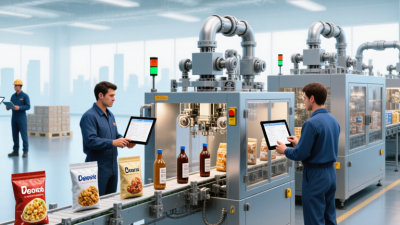
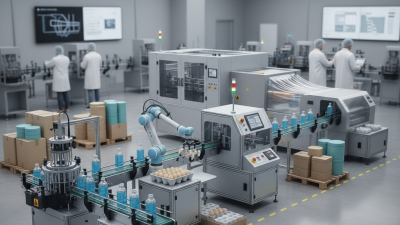
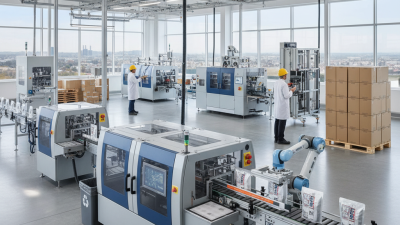
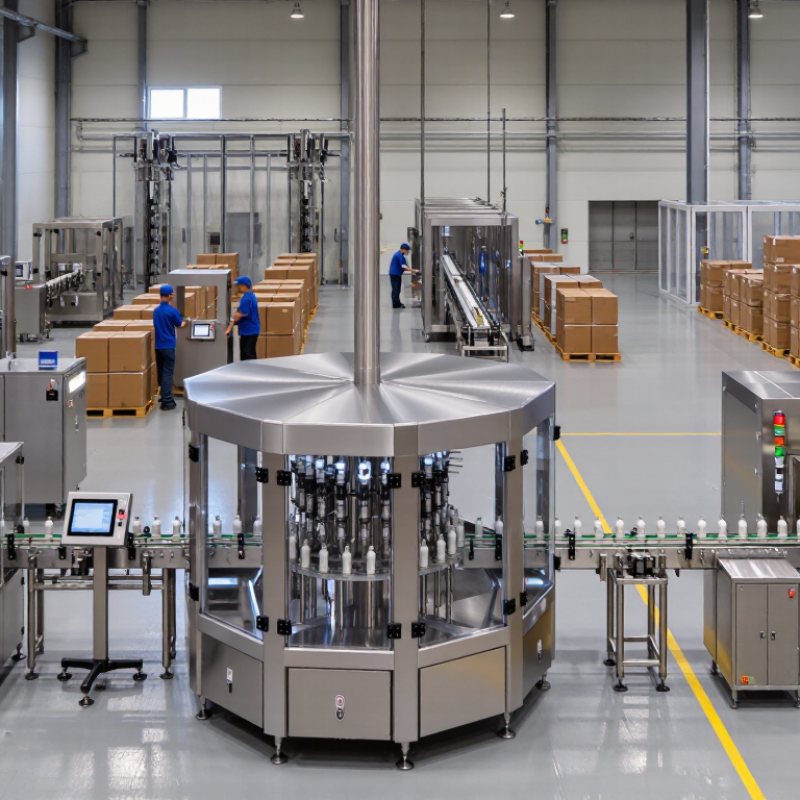
On a modern production line, packaging equipment works as a connected sequence, not a row of standalone machines. A conveyor brings containers to filling and sealing stations; inspection rejects defects before labeling, case packing, and palletizing. Small gaps matter. A slow labeler can back up a fast filler, while a poorly sized buffer leaves downstream equipment waiting. Line design should match the product mix, changeover frequency, and target throughput—not just each machine’s rated speed.

Automation is expanding, but the figures need careful reading. The International Federation of Robotics reported 541,302 industrial robots installed worldwide in 2023 in World Robotics 2024. This is an all-industry figure, not a packaging-only count. It signals a broader automation trend, not that every line needs a robot. Deloitte and The Manufacturing Institute estimated that U.S. manufacturing may need 3.8 million workers by 2033. As many as 1.9 million jobs could remain unfilled. That workforce pressure makes automated feeding, case handling, and palletizing worth evaluating.

Sensors, programmable controls, and shared production data can help operators spot jams and track downtime. Yet software cannot fix a poorly placed accumulation table or unclear changeover steps. Integration is not always elegant. Test a real product run, including stops, cleaning, and format changes, before relying on speed claims. Track good units per shift, reject causes, and recovery time. These measures show whether equipment fits the actual process.

Which Machines Form, Fill, and Seal Packages?

Form-fill-seal lines turn flat film or pre-cut material into packages, then dose and close them in one coordinated process. Vertical systems suit products such as rice, snacks, and powders: film forms a tube, a measured portion drops in, and heated jaws seal the edges. Horizontal systems carry items like bars or medical devices through forming, filling, and sealing stations. The right choice depends on product shape, portion accuracy, film behavior, and changeover frequency—not speed alone.

Grand View Research valued the global packaging machinery market at about $45.9 billion in 2023 and projected 5.3% annual growth through 2030. PMMI’s State of the Industry reporting also puts U.S. packaging machinery shipments above $10 billion in 2022. Those figures point to sustained investment, but they do not mean every plant needs a faster line. A leaky seal can waste more than a slow cycle.

Watch a real shift before specifying equipment. Does powder cling to the forming shoulder? Do chilled products leave condensation near the sealing jaws? These small details matter. A machine’s rated speed may look impressive, yet frequent film changes or awkward cleaning can erode output. Operators should test actual product and packaging materials, record changeover time, and check seal consistency across a full run. Even then, the first trial may reveal something the specification missed.

What Equipment Labels, Codes, and Inspects Packages?

What Are the Top Packaging Equipment Types in 2026?

Labeling, coding, and inspection equipment form a practical quality checkpoint on packaging lines. Applicators place labels on cartons, bottles, or pouches; printers add lot codes and dates. Vision systems then check label position, readable text, and missing codes. Checkweighers and X-ray systems can flag weight variation or foreign objects. Each device catches different faults.

The International Federation of Robotics’ World Robotics 2024 report counted 4,281,585 industrial robots operating worldwide in 2023, a 10% rise from 2022. That figure covers industries broadly, not packaging alone, but it reflects wider automation momentum. For packaging teams, connected inspection equipment can reduce repetitive manual checks and record results for review. A real line still needs careful setup.

The Food and Agriculture Organization’s 2019 report estimated that 13.8% of food was lost between harvest and retail. Packaging machinery cannot prevent every loss, but reliable coding and inspection can help catch errors before products leave the line. Test cameras with clean, skewed, and smudged labels. Check code readability after film changes. Still, false rejects happen. Poor lighting or rushed changeovers can make a good package look defective, so operators should review rejection trends and recalibrate when needed.

What Are the Top Packaging Equipment Types in 2026? What Equipment Labels, Codes, and Inspects Packages?
Equipment Type Primary Function Information Applied or Read Typical Inspection or Check Common Package or Line Use
Pressure-Sensitive Label Applicator Applies pre-printed adhesive labels to containers, cartons, or other package surfaces. Product name, ingredients, instructions, artwork, and pre-printed barcodes. Presence, position, orientation, and visible damage can be checked by sensors or a vision system. Bottles, jars, cans, cartons, and shipping cases.
Print-and-Apply Labeling System Prints variable information on a label and applies it to a package or case. Lot or batch number, date, serialized identifier, barcode, and shipping information. Print presence and legibility; a scanner or vision system can check that the expected code is present and readable. Variable-data labeling for cartons, cases, and pallet loads.
Continuous Inkjet Coder Marks products or packaging with non-contact ink printing while items move along a line. Production dates, lot codes, short text, and simple machine-readable codes. Vision inspection can check code presence, location, contrast, and character readability. High-speed marking on bottles, cans, films, and other production-line surfaces.
Thermal Inkjet Coder Prints variable text and graphics using heated ink droplets, typically without contacting the package. Dates, batch identifiers, text, and suitable barcode or QR-code graphics. Camera-based inspection can check whether the printed information is complete and legible. Cartons, labels, porous materials, and selected packaging films.
Laser Marking System Creates marks by changing the surface appearance of a compatible packaging material; it does not use ink. Lot codes, dates, text, and machine-readable symbols where the material and process are suitable. Vision inspection can confirm mark presence, position, and readability. Selected cartons, glass, metal, and polymer packaging surfaces.
Thermal Transfer Overprinter Uses a heated printhead and ribbon to print variable information onto flexible packaging film or labels. Dates, batch codes, text, and selected barcode graphics. Inspection can check print completeness, contrast, and alignment against the package design. Flexible films on form-fill-seal lines and pre-made pouches.
Machine-Vision Inspection System Uses cameras and image-processing software to inspect packages and printed information. Reads text or codes and checks label presence, position, orientation, and package features. Can compare observed results with configured acceptance criteria and signal a reject device when a failure is detected. Inline inspection after labeling, coding, filling, or carton closing.
Barcode Scanner or Verifier A scanner reads a code; a verifier evaluates code quality against applicable grading standards. Common formats include linear barcodes and two-dimensional symbols such as QR Code and Data Matrix. Checks whether a code can be decoded; verification can assess print quality using applicable standards, such as ISO/IEC 15416 for linear symbols or ISO/IEC 15415 for two-dimensional symbols. Package traceability, case identification, and code-quality checks.
Checkweigher Weighs moving packages and compares each result with configured weight limits. Does not apply labels or codes; weight results may be linked to production records. Identifies packages outside configured weight limits and can activate a reject mechanism. Filled containers, bags, cartons, and other packaged products.
Metal Detector or X-Ray Inspection System Inspects products or packages for specified foreign-material risks using the detection method suited to the application. Does not normally apply package labels or codes; inspection results can be recorded by the production system. Detects configured test conditions; performance depends on the product, package, equipment setup, and validation. Food, pharmaceutical, and other manufacturing lines requiring product inspection.
Seal Inspection or Leak-Testing Equipment Checks package seals or evaluates package integrity using a method appropriate to the package design. Does not normally print or read package codes. May inspect seal appearance or test for leaks; the suitable method depends on package material and product requirements. Pouches, trays, bottles, and other sealed packages.

Which Systems Wrap, Convey, and Palletize Products?

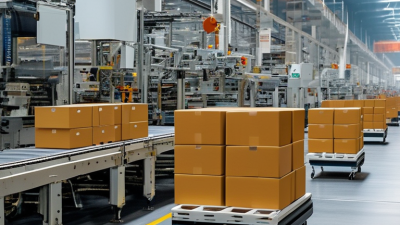
Packaging lines depend on three jobs: wrapping, conveying, and palletizing. Flow wrappers seal individual items in film, while shrink systems tighten film around multipacks. Choose a wrapper for the product’s shape, speed, and seal requirements. A fragile snack and a rigid carton need different handling. Conveyors then move products between stations, using belts, rollers, or modular sections. Watch transfer points closely; small gaps can tip cartons or interrupt a fast line.

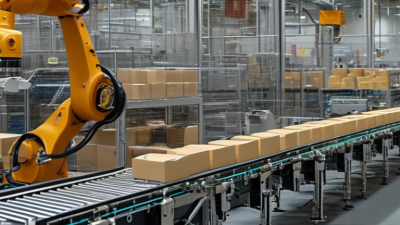
Palletizers stack cases onto pallets by layer or with robotic arms. The right choice depends on case weight, pallet pattern, available floor space, and changeover frequency. The International Federation of Robotics reported 541,302 industrial robots installed worldwide in 2023. This is a broad automation figure, not a packaging-only count, but it signals how widely automated handling is spreading. A system can look efficient on paper and still struggle when case sizes vary. That deserves a real production trial.

Tips: Test with your actual products and packaging materials. Check conveyor transfers at full speed, and measure changeover time between formats. Leave room for safe access and routine cleaning. Don’t ignore noise or awkward reach points; operators notice them quickly.

How to Compare Packaging Equipment Types in 2026

Compare packaging equipment by the job it performs, not its catalog label. A filler, labeler, cartoner, and case packer solve different bottlenecks. Start with actual line speed, product formats, changeover frequency, floor space, and cleaning needs. Then compare total operating cost, including labor, waste, maintenance, and downtime. Small details matter. A machine that handles one bottle size quickly may struggle when operators switch formats during a busy shift.

The International Federation of Robotics’ World Robotics 2024 report recorded 541,302 industrial robot installations worldwide in 2023. That signals broad automation adoption, not guaranteed payback for every packaging line. PMMI’s 2024 State of the Industry report provides packaging machinery shipment trends by category; use them as market context, not as a plant-level forecast. For end-of-line choices, compare robotic palletizing with conventional systems on footprint, payload, changeover effort, and operator access.

One weak point in many comparisons: quoted speed can hide frequent stops. Ask suppliers for sustained throughput using your product, package, and target shift conditions. Request changeover times, reject rates, and maintenance assumptions in writing. Watch a trial run closely. Does a jam require a tool, or just a quick adjustment? That detail can matter more than peak speed.